

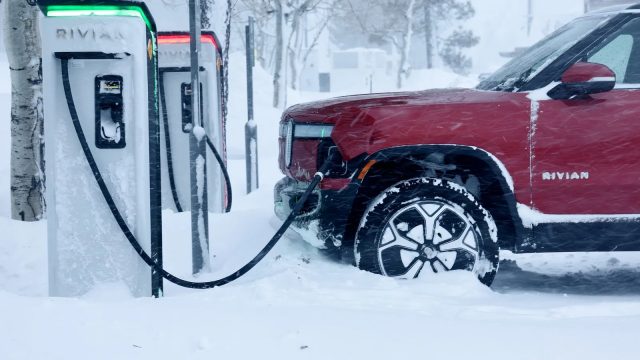
The Rise of Bidirectional EV Charging: What It Means for the Future
The electric vehicle (EV) market is evolving at an unprecedented pace, with emerging technologies reshaping how we think about energy use and consumption. Among these advancements, bidirectional EV charging is gaining significant traction, backed by major automakers like General Motors and Rivian. As these industry leaders announce their support for this innovative technology, it's crucial for businesses and consumers alike to understand its implications in today's rapidly changing energy landscape.
What is Bidirectional EV Charging?
Bidirectional EV charging, also known as vehicle-to-grid (V2G) technology, allows electric vehicles to not only draw power from the grid but also send energy back to it. This capability turns EVs into potential energy assets, capable of supporting the grid during peak demand times. The significance of this technology cannot be overstated, particularly as more consumers transition to electric vehicles and the demand for sustainable energy solutions intensifies.
How Does It Work?
Essentially, bidirectional charging systems enable the flow of electricity in both directions. When an EV is plugged into a compatible charging station, it can either:
- Charge the vehicle's battery from the grid
- Discharge energy back to the grid when demand is high
This dual functionality allows EV owners to actively participate in energy management strategies, offering potential financial benefits through incentives and reduced energy costs.
Recent Developments in the Industry
In recent weeks, General Motors and Rivian have made headlines by endorsing managed bidirectional charging systems. These announcements highlight the rising awareness among automakers of the critical role their vehicles can play in sustainable energy management. With the increasing number of electric vehicles on the roads, load management is becoming a vital consideration for utilities and energy providers.
GM and Rivian's Commitment
General Motors, a pioneer in the electric vehicle space, has long been at the forefront of innovation. Recently, they revealed plans to integrate bidirectional charging capabilities into their EV models, enhancing their utility and appeal. Rivian, known for its adventurous electric trucks, is following suit, indicating a shift in the industry where manufacturers recognize the broader implications of their products.
The Benefits of Bidirectional EV Charging
Embracing bidirectional charging technology can lead to numerous advantages:
- Reduced Energy Costs: EV owners can potentially save on electricity bills by utilizing stored energy during peak rates.
- Grid Stability: By discharging electricity back to the grid, EVs can help balance demand and supply, reducing the risk of outages.
- Incentives and Rebates: Many energy providers are beginning to offer incentives for consumers who participate in demand-response programs.
As electric vehicles become more commonplace, understanding and utilizing bidirectional charging could be a game-changer for individuals and businesses alike.
Why This Matters Now
The urgency of transitioning to sustainable energy sources has never been greater, as climate change impacts become increasingly pronounced. The adoption of bidirectional EV charging represents a crucial step towards a more resilient and efficient energy ecosystem. As major players like General Motors and Rivian support this technology, it's clear that the automotive industry's future will be intricately tied to energy management practices.
The Future of EV Charging
Looking ahead, the integration of bidirectional charging into the mainstream market will require collaboration between automakers, energy providers, and policymakers. Ensuring that infrastructure is in place to support these systems will be vital for widespread adoption. Businesses in the apparel and other sectors should also be aware of these developments, as they can impact logistics, energy use, and operational costs.
Conclusion
Bidirectional EV charging is not just a technological novelty; it's a pivotal development in the transition to sustainable energy solutions. With the backing of industry giants like General Motors and Rivian, this advancement is set to reshape the energy landscape. As manufacturers continue to innovate, it's essential for businesses and consumers to stay informed about these trends and how they can leverage them for a more sustainable future.
